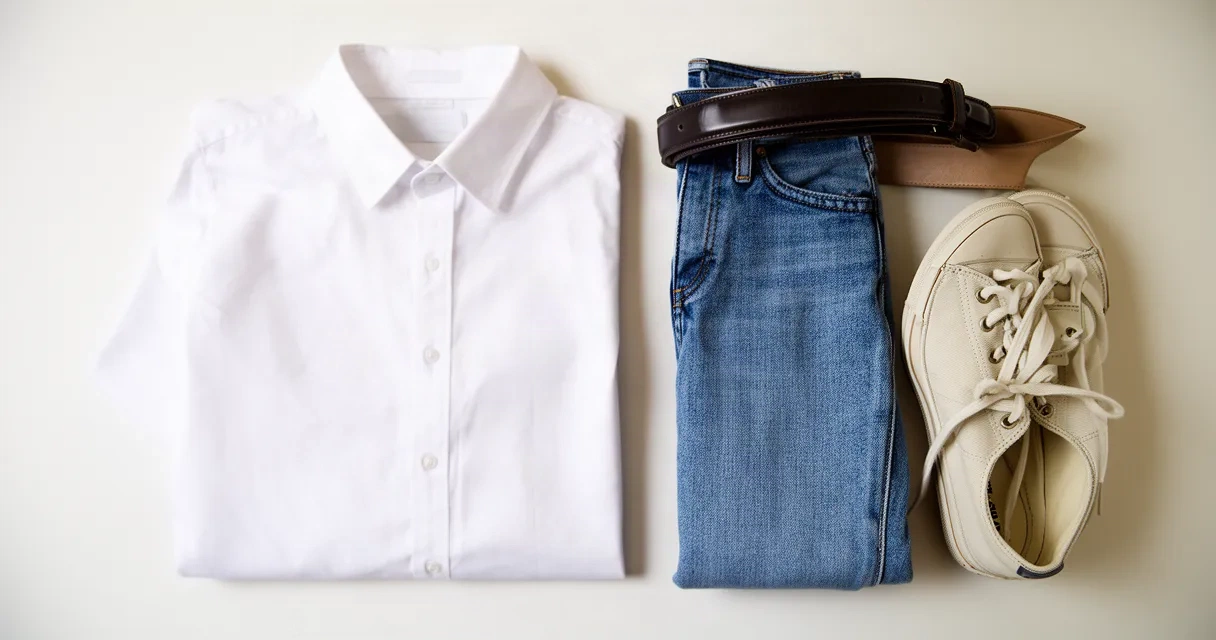
That's where an outfit combination generator helps. These tools use artificial intelligence to analyze your wardrobe and suggest coordinated looks. You can see how pieces work together before you leave home—or before you buy online.
Whether you want to speed up your morning routine, cut down on impulse purchases, or finally wear all those clothes in your closet, outfit combination generators are changing how people think about personal style. Let's explore what these tools do, how they work, and whether they're right for you.
What Is an Outfit Combination Generator?
An outfit combination generator is a digital tool that suggests matching clothing combinations from items in your wardrobe. It answers one simple question: which pieces go well together?
Early outfit generators used basic rules. You'd enter clothing colors or categories, and the tool would produce matches. Modern AI-powered generators do much more. They use machine learning to understand color, proportion, style trends, and your preferences. Some let you upload photos of your actual clothes. Others work with a digital catalog you build yourself.
The most advanced systems show outfits in realistic 3D models or augmented reality (AR). You don't just get a suggestion—you see a lifelike preview of how the garments look when worn together.
Think of an outfit combination generator as a personal stylist available 24/7 who remembers every piece you own.
How AI-Powered Outfit Generators Save Time and Money
Outfit generators offer practical benefits that go beyond simple convenience. They directly affect your wallet and your daily stress.
Time Savings
Most people spend 5–15 minutes picking an outfit each morning. Over a year, that adds up to dozens of hours. An outfit generator cuts that to seconds. The algorithm analyzes colors, styles, and trends. You simply pick from curated options. This helps on rushed mornings or when packing for trips.
Reducing Buyer's Remorse
Many shoppers buy clothes they never wear. Items look perfect in the store but clash with everything at home. AI outfit generators prevent this. They let you see how new pieces fit with your existing wardrobe before you buy. You can test a potential purchase against your real clothes using AI visualization tools to confirm it's worth your money.
Getting More From Your Wardrobe
Most people wear only 20% of their closet regularly. Outfit generators reveal combinations you'd never think to try. By suggesting unexpected pairings, these tools unlock hidden potential. You get more outfits from fewer pieces—stretching the value of every dollar spent on clothing.
Making Smarter Shopping Choices
When you understand how your clothes work together, you shop differently. You buy pieces that pair with what you already own instead of standalone items that sit unused. This breaks the cycle of endless shopping and overstuffed closets.
Key Features to Look For in Outfit Combination Tools
Not all outfit generators work the same way. Think about which features matter most to you.
Image Recognition and Wardrobe Upload
The best tools let you photograph your own clothes instead of choosing from a preset list. This ensures recommendations come from your actual wardrobe. Look for systems that accurately recognize colors, styles, and garment types from photos.
AI-Powered Styling Suggestions
Effective generators do more than match colors. They understand how styles work together. They consider proportions, occasions, seasons, and current trends. Quality AI produces outfits that feel real and wearable, not random.
Realistic Visualization
Seeing how an outfit actually looks matters. Whether through 3D models or AR, good visualization is crucial. Poor previews lead to disappointment. Virtual fitting room technology gives realistic previews. They show fit, drape, and how colors look on different skin tones.
Occasion and Preference Filters
Good generators let you specify the context. You might need "business casual for a Tuesday meeting" or "casual weekend brunch." The tool should learn your personal style over time and filter out suggestions that don't match your taste.
Shopping Integration
Some advanced tools connect to retailers or your purchase history. This lets you build outfits from items currently available. You can add wishlist pieces to combinations or get alerts when matching items go on sale.
Sustainable Fashion Insights
Leading tools help you wear pieces longer and avoid unnecessary purchases. They might track how often you wear outfits, suggest items you rarely use, or recommend capsule wardrobe strategies.
Real-World Use Cases for Outfit Generators
Seeing how people actually use these tools shows their real value.
Working Parents With Multiple Roles
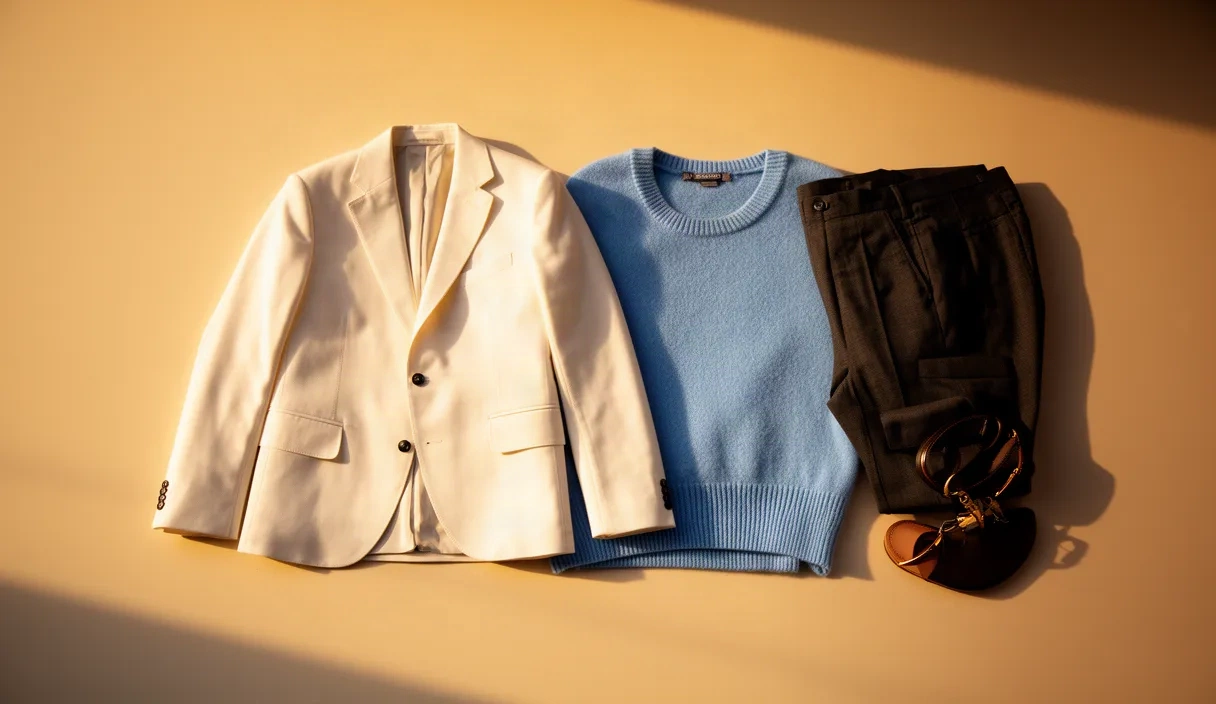
Parents balancing office work, school pickups, and evening activities need versatile outfits. An outfit generator suggests pieces that work from professional to casual. They discover how to repurpose items across different contexts—a blazer over a casual tee works for both the office and evening plans.
Frequent Travelers
Light packing requires strategic pieces that combine in multiple ways. Outfit generators help travelers see how a small wardrobe creates 15+ unique looks. This prevents overpacking and the worry of "having nothing to wear" in a new city.
Online Shoppers Wanting Fewer Returns
E-commerce shoppers use outfit generators to preview purchases before checking out. Instead of buying and hoping, they visualize new items with existing pieces. This confidence reduces returns and improves satisfaction.
People Decluttering Their Closet
As people refine their wardrobes, an outfit generator shows which pieces are truly useful versus which sit unused. They make informed decisions about what to keep, donate, or sell—rather than guessing from memory.
Building Style Confidence
Many people doubt their styling choices. An AI-powered generator validates their instincts and suggests unexpected combinations they might not try alone. Over time, this builds confidence and helps them discover their authentic style.
Fashion Professionals and Content Creators
Stylists, personal shoppers, and fashion influencers use outfit generators to create content quickly, test trend ideas, and present options to clients.
Getting Started With AI Outfit Visualization
Ready to try an outfit combination generator? Here's how to use it effectively.
Start With Your Core Wardrobe
You don't need to photograph everything at first. Begin with foundation pieces: basic tops, bottoms, and neutral outerwear. Add items gradually. This gives the AI enough data to make useful suggestions without overwhelming you.
Take Clear Photos
If your generator uses image recognition, lighting and angle matter. Photograph items on a flat surface or against a plain background. Include multiple angles if the tool asks for it. This improves the AI's accuracy.
Experiment With Suggestions
Don't stick with the first recommendation. Explore variations. Test combinations you'd normally skip. Outfit generators work best when you treat them as inspiration, not rigid rules.
Use Filters for Context
Tell the tool what you're dressing for—the occasion, season, or mood. An AI focused on Sunday brunch generates different suggestions than one thinking about Monday meetings. Being specific produces better results.
Review and Refine
Most generators learn from your feedback. If you keep rejecting certain suggestions, the AI adapts. If you favorite specific combinations, it identifies your preferences and improves future recommendations.
Combine With Trying Things On
AI visualization is powerful, but it doesn't replace physical fitting. Use the generator to narrow down options. Then try on your top picks. This combines AI speed with the reality check of actually wearing clothes.
Frequently Asked Questions
What makes an AI outfit generator different from traditional styling apps?
Traditional styling apps follow preset rules—"pair blue with gray" or "match warm tones." AI outfit generators learn from vast amounts of style data. They understand nuance: how a specific blue works with certain skin tones, why certain proportions click together, and how trends shift. They also adapt to your preferences as you use them. The result is recommendations that feel intentional and current, not formulaic.
Do I need to own all the clothing items to use an outfit generator?
No. Most generators let you add pieces you're thinking about buying. This is one of their biggest strengths—you can visualize how a potential purchase fits into your existing wardrobe before spending money. Some tools also work with curated collections. The most flexible generators let you do both: work with your real wardrobe and test new pieces.
Can outfit combination generators reduce my clothing returns?
Yes. Returns often happen because people buy without knowing how items work with other clothes. A generator showing realistic previews builds confidence in purchase decisions. You see fit, color, and styling options before committing money. Users report significantly fewer returns after using these tools.
Are outfit generators useful for fashion professionals?
Absolutely. Stylists, personal shoppers, and fashion consultants use these tools to work faster and show clients options more efficiently. They can quickly generate multiple coordinated looks, test trend ideas, and create mood boards. Content creators speed up developing styled looks for social media.
How accurate are AI outfit visualizations?
Modern AI visualization tools are very accurate, especially those using 3D rendering or AR. That said, no digital preview perfectly matches how clothing looks and feels on your body in real light. AI visualizations excel at showing color interaction, proportions, and styling direction. They work best as a decision-making tool—helping you narrow down options—rather than a perfect substitute for trying clothes on. The best approach combines AI visualization with physical fitting.
Outfit combination generators represent a real shift in how people approach personal style. They turn your wardrobe from a daily source of stress into a strategic asset. By suggesting coordinated combinations, showing realistic previews, and helping you wear more of what you own, these tools deliver real benefits: saved time, less spending, and greater confidence.
Whether you're a busy professional, a frequent traveler, an online shopper frustrated with returns, or someone who wants to feel more stylish, an outfit generator can simplify your life.
Start building your perfect outfits with Unmarble's AI outfit visualization tool—no credit card required to explore realistic try-ons for free. See how your wardrobe comes together in ways you never imagined.