
Have you ever wished you could try on clothes without actually putting them on? Imagine seeing how a new outfit looks on you before you buy it. You could do all of this from the comfort of your home. This isn't science fiction anymore. It's real, thanks to virtual styling tools.
These clever tools are changing how we shop for clothes. They even change how we plan our daily outfits. They use advanced technology to show you clothes on your own image. This helps you make better fashion choices. Let's look at how these new tools work and what they offer.
What Exactly Are Virtual Styling Tools?
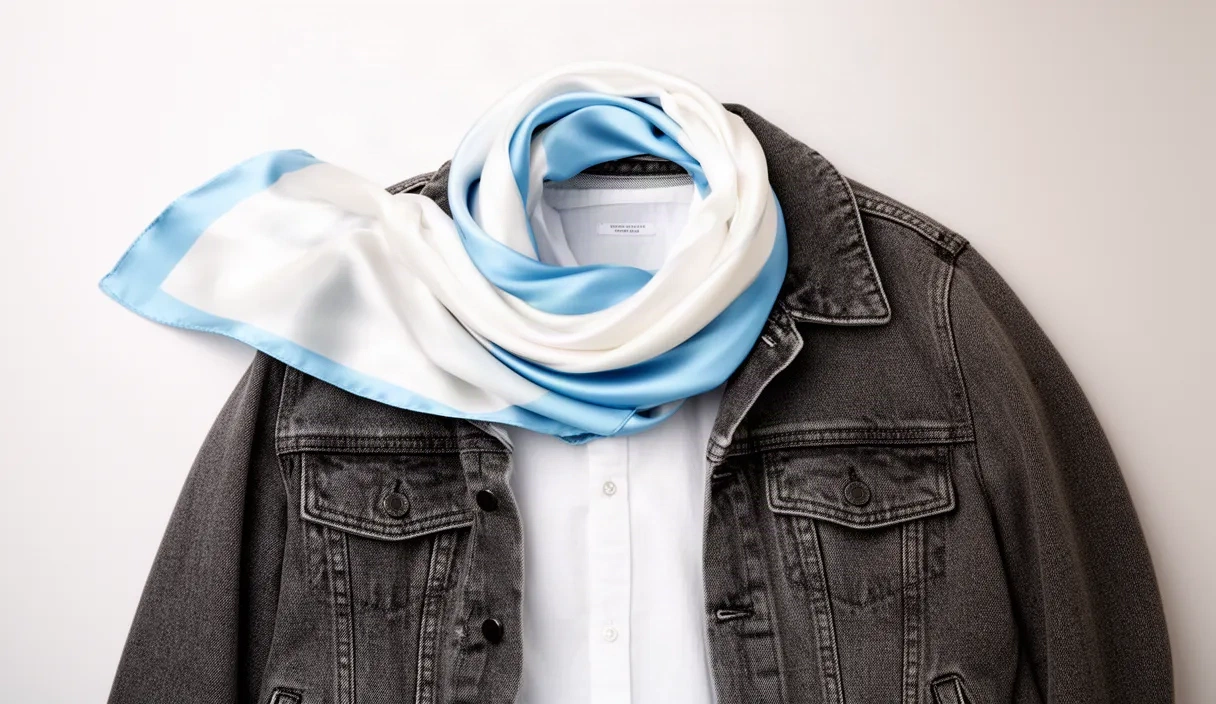
A virtual styling tool is a digital platform. It helps you see how clothes and accessories will look on a person or a model. Think of it as a smart, online dressing room. You don't physically try on clothes. Instead, you can upload a photo of yourself or use a digital avatar. The tool then "dresses" you in different items. This lets you mix and match outfits easily.
These tools do more than just place images on top of each other. Many use advanced technology, like artificial intelligence (AI). This makes the pictures look very real. They can think about your body shape, skin tone, and even how the fabric hangs. This means you get a much better idea of how an item will truly fit and look on you. This makes them a key part of virtual fitting rooms.
How AI Powers Your Digital Wardrobe Decisions

Artificial intelligence is the secret that makes virtual styling tools so powerful and accurate. AI algorithms can do many amazing things to improve your digital try-on experience.
First, AI helps with body mapping. When you upload a photo, AI can correctly find your body's shape and size. This allows the digital clothes to fit your unique body proportions. They don't just appear as a flat image on your picture.
Second, AI is great at fabric simulation. Different fabrics hang and move in different ways. AI can copy these real-world actions. A virtual silk dress will look flowy. A virtual denim jacket will look stiff. This is just like their real versions. This adds a key touch of realism.
Third, AI helps with style recommendations. Some virtual styling tools can suggest outfits or single items that might suit you. These suggestions are based on your likes, body type, and even current fashion trends. This turns the tool into a personal stylist. It helps you discover new looks. The power of AI is truly changing how we shop for fashion online. It transforms the online shopping experience through tools like AI-powered virtual fitting rooms.
The Benefits: Why Use a Virtual Styling Tool?
Using a virtual styling tool offers many good things for both people and businesses. They are made to save you time and money. They also make fashion choices easier and more fun.
For shoppers, the biggest benefit is how easy it is. You can try on countless outfits from home. You avoid crowded stores and fitting room lines. This saves a lot of time. It also helps reduce returns. When you see how an item looks before buying, you are less likely to buy something that doesn't fit or suit you. This saves you the trouble and cost of shipping items back. This directly saves you money by helping you make smarter buying choices.
For retailers, these tools make online shopping better. They can lower the number of returns. This saves businesses a lot of money. They also make customers feel more sure about their purchases. This leads to more sales and happier customers. Virtual styling tools can also give useful information about what customers like. This helps retailers better understand what their customers want.
Virtual Styling for Developers: Exploring Open-Source Solutions
The technology behind virtual styling tools is not just for big companies. Developers and businesses who want to build their own virtual fitting room tools have many open-source options. Open-source means the code is free for anyone to use, change, and share.
These open-source libraries and frameworks often offer the main functions needed for virtual try-on. This includes:
- Body segmentation: Finding the human body in a picture.
- Garment overlay: Putting digital clothes onto the body.
- 3D model rendering: Showing clothes in a three-dimensional space.
Building a complete, very real virtual styling tool from scratch using open-source parts can be hard. It needs a lot of technical skill. But it offers flexibility and saves money compared to paid solutions. Developers can change the tools to fit their specific needs. They can add them to existing platforms or create special user experiences. But remember, making these parts work well for a finished product still needs a lot of development work.
Real-World Applications: Who Benefits Most?
Virtual styling tools are very flexible. They help many different users and businesses.
Individual Consumers: Anyone who buys clothes online can benefit. It helps them make confident buying choices. It reduces buyer's regret. It also lets them try endless outfits without having to commit. It's like having a personal stylist and a never-ending wardrobe at your fingertips.
Fashion Retailers and Brands: Online stores can greatly improve the customer experience. They can also reduce expensive returns. By offering a virtual try-on option, they build trust and connection with their customers. It's a strong tool for showing products in an interactive way.
Fashion Designers and Stylists: These tools offer a new way to design and show collections. Designers can see their creations on different body types. Stylists can create looks for clients from far away. They can try different pieces before any physical clothes are involved.
Beauty and Accessory Brands: Beyond clothes, virtual styling also works for makeup, hairstyles, glasses, and jewelry. Customers can virtually "try on" different lipstick colors or new earrings to see how they look.
See how Unmarble can change your fashion visualization experience with our AI-powered platform today.
Conclusion
Virtual styling tools are a big step forward in how we interact with fashion. They use the power of AI. These tools offer great ease, accuracy, and personal touches. If you're a shopper looking to make better choices, a developer wanting to innovate, or a business trying to improve customer experience, virtual styling technology offers solutions. These solutions save time, cut costs, and open up new creative possibilities. The future of fashion is clearly digital, and virtual styling tools are leading the way.