
Virtual Fitting Room Solutions: Comparing Top AI-Powered Platforms for Retailers and Shoppers
Online clothes shopping has changed dramatically. Retailers lose billions of dollars yearly to returns, while shoppers struggle with uncertainty when buying without trying things on. Virtual fitting room companies solve this problem. Their AI technology lets customers see how clothes will fit before they buy.
Whether you're a retailer wanting to cut returns or a shopper tired of guessing your size, virtual fitting room solutions matter. This guide explains how these platforms work, compares their features and costs, and shows how AI outfit visualization helps both shoppers and businesses.
What Virtual Fitting Room Companies Do and Why They Matter

Virtual fitting room companies make software that uses artificial intelligence and computer vision. These tools show how clothing looks on you. Instead of guessing your size or risking returns, you can see realistic previews of outfits on your body shape and skin tone.
These platforms solve a major problem in online fashion retail: returns. Fashion has the highest return rate of any online retail category. Some retailers see returns above 30%. High returns hurt profits, waste shipping resources, and frustrate customers.
Virtual fitting room technology tackles this problem in several ways:
- Reduces returns: Customers buy with confidence when they can visualize how clothes fit
- Increases conversion rates: Shoppers browse and buy more when they feel sure about sizing
- Improves customer satisfaction: People like the convenience and confidence these tools provide
- Lowers operational costs: Fewer returns mean less processing, restocking, and shipping expense
For fashion retailers—from small boutiques to major brands—a virtual fitting room has become essential. For shoppers, these tools remove stress and guesswork from buying.
Key Features Comparison: Technology and User Experience Across Platforms
Virtual fitting room companies offer different features and capabilities. Knowing what sets them apart helps you choose the right one.
Core Technology Differences
Body scanning accuracy: The best platforms use advanced 3D body mapping. They work with regular smartphone cameras. No special equipment needed. Setup is simple.
Garment fitting simulation: Quality virtual fitting rooms show how different fabrics drape and move. Lightweight cotton fits differently than a structured blazer. Better platforms account for these fabric differences.
Sizing database integration: Top platforms connect to retailer sizing systems. This makes the virtual fit match your actual inventory. Some work with major brand sizing standards. Others use custom measurements you provide.
User experience design: Speed matters. The fastest platforms show you a fitted preview in seconds. Some let you try multiple outfits quickly. Others require restarting between items.
Platform Capabilities
Leading virtual fitting room companies differ in:
- Mobile vs. desktop compatibility: Most work on smartphones, but some work better on one platform
- Customization options: Can you adjust skin tone, body type, and style preferences?
- Social features: Do platforms let you share looks or get feedback from friends?
- Integration depth: How deeply does the tool connect with your existing systems?
To see how these platforms compare in real-world applications, learn about the top AI-powered virtual fitting room apps available today.
Pricing Models and Implementation Costs for Retailers
Cost structures for virtual fitting room solutions vary widely based on how you use them and your business size.
Common Pricing Models
Per-transaction pricing: Some companies charge a small fee (typically $0.10–$0.50) each time a customer uses the virtual fitting room. This works well for retailers with high sales volume.
Monthly subscription: Fixed monthly fees range from $500 to $5,000+ depending on features, user limits, and customization. Smaller retailers and startups often prefer this predictable cost.
Revenue-share models: Some platforms take a percentage of increased sales from the fitting room (usually 1–3%). This aligns interests but requires clear sales tracking.
Custom enterprise pricing: Large retailers often negotiate custom deals. These might include implementation support, API access, and dedicated integration help.
Hidden Costs to Consider
Beyond the platform fee, plan for:
- Integration time and technical resources: Connecting the tool to your e-commerce platform requires developer time (often 40–160 hours)
- Product data preparation: Uploading accurate sizing data, measurements, and garment information takes effort
- Training and support: Your staff need to understand the tool to help customers
- Image and video production: Quality photos from multiple angles improve the virtual fitting experience
For most mid-sized retailers, total first-year costs range from $10,000 to $100,000+. Smaller retailers might invest $2,000–$10,000 to start.
The key question: Does the return on investment justify the cost? For retailers seeing 25%+ return rates or selling expensive items, the answer is usually yes. A platform that reduces returns by 10–15% often pays for itself within months.
Real-World Use Cases: How Brands Reduce Returns and Boost Conversion
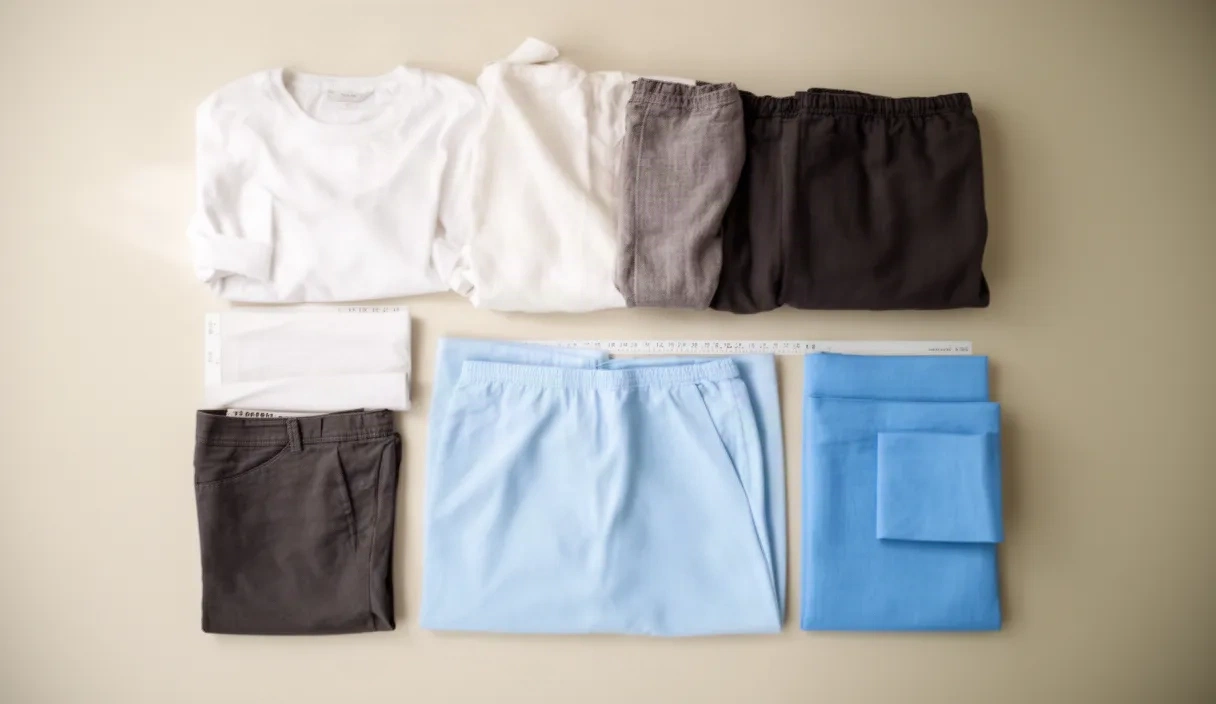
Learning how major brands use virtual fitting room technology shows the real business impact.
Fashion Retailers
Apparel companies selling jeans, dresses, and more report major improvements after adding virtual fitting rooms:
- Reduced return rates: Companies commonly see 10–25% fewer returns on items tried in the virtual fitting room
- Higher average order value: Customers confident about fit purchase additional items
- Improved customer retention: Shoppers who use the fitting room tend to shop again
One mid-size online fashion retailer reported that 60% of customers who used their virtual fitting room completed their purchase, compared to 35% who didn't use it.
Luxury Fashion and Designer Brands
Premium fashion has a unique challenge. Customers often buy expensive dresses or blazers for specific events, wear them once, then return them. Virtual fitting rooms dramatically reduce this behavior.
High-end retailers report:
- Confidence in premium purchases: Shoppers are more willing to spend $300+ on a dress when they've visualized it on their body
- Better brand perception: Customers appreciate the investment in technology and personalization
- Stronger customer relationships: Premium clients feel understood and valued
Activewear and Swimwear
These categories traditionally suffer from extremely high return rates (sometimes 40%+) because fit depends so much on body type.
Virtual fitting rooms for activewear and swimwear help by:
- Accounting for sizing variation: Different brands size differently. Visualization helps customers choose the right brand and size
- Building confidence in sizing up or down: The tool shows exactly how adjusting size affects fit
- Improving comfort and performance: Customers get better-fitting products that they keep and wear regularly
How AI Outfit Visualization Saves Time and Money for Shoppers
For individual shoppers, virtual fitting room technology delivers practical benefits you'll notice right away.
Time Savings
Traditional online shopping requires lots of trial and error. You buy three sizes of the same jeans hoping one fits. Or you purchase multiple dresses for an event knowing you'll return most of them.
Virtual fitting rooms eliminate this guesswork. Instead of:
- Buying multiple sizes
- Waiting for delivery
- Trying things on
- Returning unwanted items
- Reordering the right size
- Waiting again
You simply:
- View the item on your body
- Buy with confidence
- Receive and enjoy
For someone who shops regularly, this saves hours every month. It also eliminates the frustration of waiting for returns.
Money Savings
The financial benefits are clear:
- No return shipping costs: Many retailers charge return shipping or split the cost. Fewer returns save you money
- Fewer impulsive purchases: When you can visualize fit, you're more selective. You don't buy three items to keep one
- Better long-term choices: Clothes you're confident about get worn more. This means better value over time
- Reduced restocking fees: Some retailers charge restocking fees on returns. Confident purchases avoid these charges entirely
A shopper who normally buys 10 items expecting to return 4 could instead buy 6 items they're confident about. This saves on shipping, restocking fees, and the hassle of returns.
Confidence and Personal Satisfaction
Beyond the tangible savings, there's real psychological value:
- No more size anxiety: You know exactly what you're getting
- Less pressure to buy multiple options: You don't feel pressured to buy items "just in case"
- Better style decisions: Visualizing items helps you choose pieces that match your style and body
- More enjoyable shopping: The experience becomes less stressful and more fun
To understand how this technology is reshaping fashion retail, read about how AI-powered virtual fitting room technology is transforming online fashion shopping.
Getting Started: Choosing the Right Virtual Fitting Room Platform
If you're ready to explore virtual fitting room solutions, here's how to approach your decision.
For Retailers
Step 1: Assess your needs
Ask yourself:
- What's your current return rate?
- Which product categories cause the most returns?
- What's your technical capability for integration?
- What's your budget?
Step 2: Evaluate platform capabilities
Look for:
- Accuracy that matches your specific sizing
- Integration compatibility with your e-commerce platform
- Quality customer support
- Pricing that makes sense at your scale
Step 3: Start with a pilot
Most virtual fitting room companies offer trial periods or pilot implementations. Start with one product category or customer segment before rolling out platform-wide.
Step 4: Measure results
Track metrics like:
- Return rate changes
- Conversion rate improvements
- Customer satisfaction scores
- Implementation ROI
For Shoppers
Step 1: Look for the tool
Many online fashion retailers now offer virtual fitting rooms. Check if your favorite brands have one.
Step 2: Set up your profile
Most tools require basic information (height, weight, or measurements) for accuracy. This takes just a few minutes.
Step 3: Try items before buying
Use the tool on items you're unsure about. It works best for fit questions. Your personal style preference still matters.
Step 4: Share feedback
If a retailer's virtual fitting room isn't accurate for you, let them know. Platforms improve when users provide feedback.
Frequently Asked Questions
What is the difference between virtual fitting rooms and virtual try-on apps?
Virtual fitting rooms simulate how complete outfits look on your body. They account for your proportions, measurements, and how fabric drapes. Virtual try-on apps typically focus on single items or accessories and often use simpler visualization methods.
How much does it cost to implement a virtual fitting room solution?
Platform costs range from $500–$5,000 monthly depending on the pricing model. Total implementation, including integration and setup, often runs $10,000–$100,000 for mid-sized retailers in the first year. Some companies charge per transaction ($0.10–$0.50) instead of a fixed fee.
Do virtual fitting room companies require credit card information upfront?
Most reputable virtual fitting room companies don't require a credit card just to try the tool. Many offer free trials or demos so retailers can test before committing to payment.
Which industries beyond fashion are using virtual fitting room technology?
While fashion leads adoption, virtual fitting room technology extends to:
- Eyewear: Showing how glasses look on your face
- Jewelry: Visualizing how pieces appear on your body
- Accessories: Sizing and styling shoes, bags, and scarves
- Sportswear and equipment: Ensuring proper fit for performance gear
- Cosmetics: Virtual makeup try-on mirrors
How accurate is AI outfit visualization compared to physical try-ons?
The best platforms achieve 85–95% accuracy for fit visualization. This depends on body mapping quality and lighting. AI visualization works particularly well with standard body types but continues improving for diverse body shapes and sizes. Accuracy depends heavily on uploading correct measurements.
Can retailers integrate virtual fitting rooms with their existing e-commerce platform?
Yes, most platforms integrate with major e-commerce systems like Shopify, WooCommerce, Magento, and custom builds. Integration complexity varies. Some take hours, others require more extensive custom development. Discuss technical requirements with vendors before committing.
Conclusion
Virtual fitting room companies are reshaping how people buy and sell clothes online. By reducing returns, boosting conversions, and improving customer confidence, these AI-powered tools solve real problems for both retailers and shoppers.
Whether you're concerned about high return rates, want to offer customers a better shopping experience, or simply want to feel more confident about online purchases, virtual fitting room technology deserves your attention.
The technology continues to improve, prices are becoming more accessible, and more brands add these tools every day. Early adopters are already seeing measurable benefits in reduced returns, increased conversions, and customer satisfaction.
Start exploring how Unmarble's AI-powered virtual fitting room can transform your fashion shopping or retail business—no credit card required to begin.